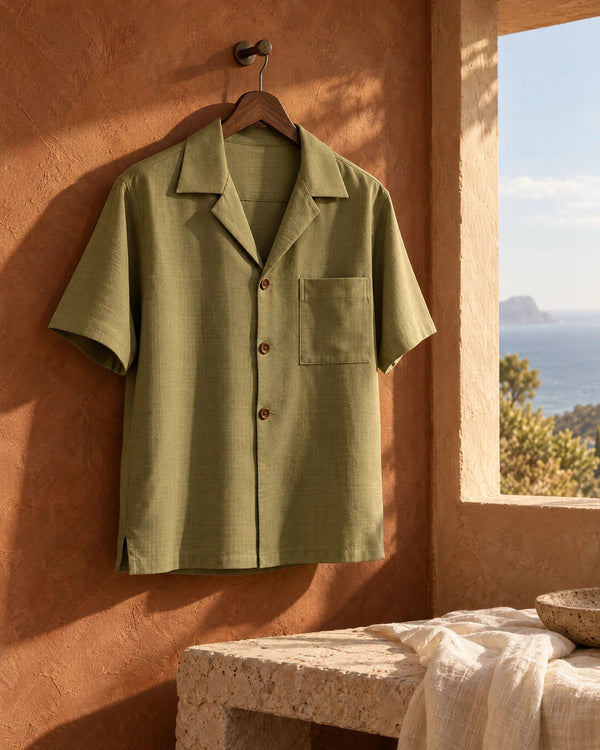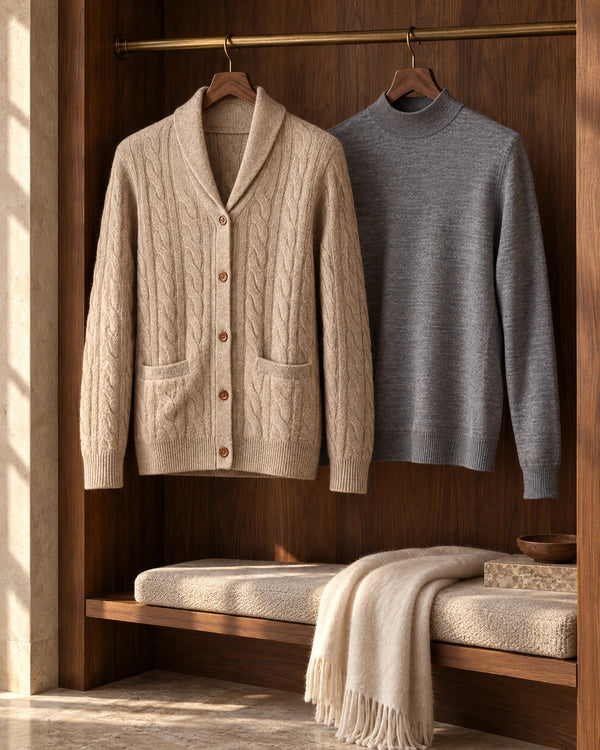
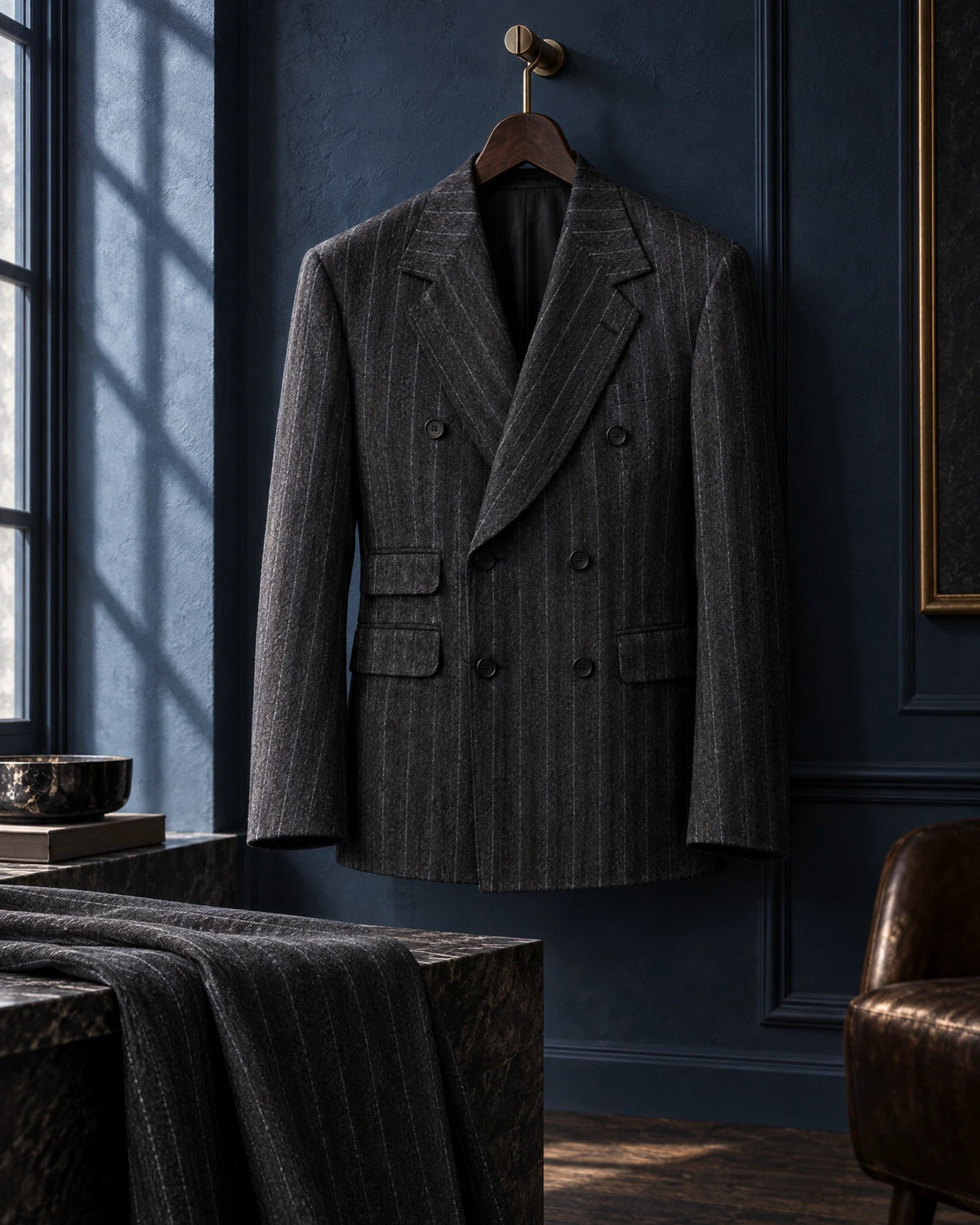
The best part of a day is sometimes the part you did not plan. It helps when your clothes can come with you.
A working lunch runs into the afternoon. A familiar city offers an unfamiliar street. Someone suggests dinner. Dressing for a changing day begins with choosing pieces that you feel comfortable wearing together and understanding the setting you are moving into. The opportunity lies in the small adjustments available to you.
Choose the piece that stays.
Begin with one garment you want to wear throughout the day. It might be a shirt with a distinctive surface, a pair of trousers whose proportions you like or a jacket that gives the outfit its character. Build the rest around it. Keeping one clear reference makes decisions easier when the circumstances change.
Try the combinations in advance, especially if you are travelling. Look at the outfit with the outer layer on and off. Sit down, reach forward and put your everyday items where you normally carry them. These simple checks tell you whether the combination works for your habits, as well as for the mirror.
Change the relationship between the layers.
A shirt worn under a jacket can feel different when it becomes the main piece. A light layer carried through the afternoon may give an evening outfit a new outline. Think about which parts of the garment will become visible: the collar, the fastening, the sleeve or the pattern that was only partly seen before.
The possibilities depend on the actual garment and the occasion. An open collar may suit one dinner; a more formal setting may call for a different choice entirely. Let the place and the people inform the decision. Ease often comes from feeling appropriately dressed without spending the evening adjusting what you wear.
Use colour to connect the day.
When choosing the supporting pieces, repeat a colour you can already see or keep the surrounding shades close enough to feel related. A patterned shirt gives you several places to begin. A simpler outfit may welcome a single stronger colour. Try the combinations in ordinary light and choose the one that feels most natural to you.
There is room for both restraint and enjoyment. A small contrast in texture or tone can make familiar clothes feel considered again. You do not need a completely different wardrobe for every version of the day.
Build for the life you actually lead.
At de Hoogh, the lines offer different points of view rather than a timetable. Liberator can enter an afternoon; Nomad can stay for dinner; Foundation can hold the whole combination together. Choose the pieces and available details that make sense for your own settings.
If you are planning a personal piece for this kind of versatility, describe those settings during the review. Explain what you expect to wear it with and the fit you find comfortable. The most useful wardrobe leaves you with enough attention for the day itself, including the part that has yet to happen.
Find the starting point that fits the way you live.
Explore the four lines